Category: Uncategorized

  • Unpaid Labor

    July 31, 2025

    By: Liz Cabrera

    In the moment

    Hi all, 

    I’ve been going through a major shift in my beliefs and the way I make decisions. As old certainties fall away, much like the Tower card in the Tarot deck, my own identity is shifting. I’m becoming someone I don’t fully know yet, and it’s mostly because of my kids.

    The other afternoon, with some free time on my hands, I naturally spent it with my two young children. A simple moment perfectly captured my new reality. My father-in-law brought my son, Iliya, in from outside. Iliya immediately darted for the couch, but I instinctively redirected him. “We wash our hands when we come inside,” I said, launching into a familiar song to coax him to the kitchen sink. I lifted his chubby arms, turned on the water, and guided him through the routine I’ve taught him countless times: “This is the way we wash our hands…”

    Afterward, Iliya spotted his sister’s leftover chicken and rice. He walked over to the table and began eating with his freshly washed hands. I noticed and intervened, offering to warm it up. While I put the bowl in the microwave, he ran off to play. A few minutes later, he was back in the kitchen, happily eating his now-warm meal while his sister chatted away beside me. Within a few more minutes, he was done, and it was time for me to clean up the scattered rice and grease—and, of course, wash his hands again.

    Then came the tell-tale sign of a bowel movement—the squat, the facial expression. The whole ritual began anew: upstairs for a shower and a change.

    The point of all this is that these caregiving activities have become the priority in my world. I see how my daughter, Elise, looks up to me for answers. She clings to my side, literally saying, “Mommy, I want to be with you.” Right now, my priorities are to show up for my family, my aging mother, and myself. They are the lifeline that keeps me going.

    This new perspective has made me reflect on a paradox. Society punishes parents for neglect if they leave their children unattended, yet it often pushes back when working parents ask for the help they need to both parent and be active in the labor force. As women professionals, we fought for our careers because we want to feel productive and have our voices and ideas valued. But at the same time, nature and societal expectations place the protective instincts of a “fit parent” squarely on the mother. 

    We’re expected to be role models, teacher, friend, cook, driver, doctor, and entertainer—all while performing in the workplace with the same capacity as those without children.

    So, where does the responsibility truly fall? Is raising conscientious adults solely an individual’s duty? Or is it a societal responsibility, given that everyone benefits from social talent and innovation, and everyone suffers when people are hurt and commit hurtful acts?

    I don’t have the answers, but I invite people to reflect on these questions. My hope is that the scales of balance will one day tip more toward the center, and women can feel less overwhelmed and burdened.

    Seriously. 
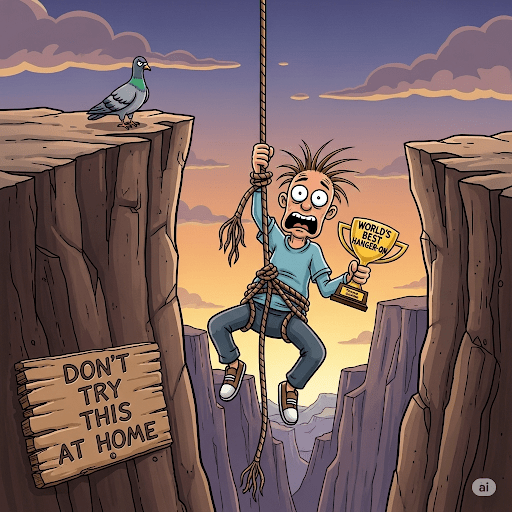
  • When Hanging In There is Not Cutting It

    May 27, 2025

    By: Liz Cabrera

    Hi everyone,

    I’ve been reflecting a lot recently on the challenges of being a working parent in the United States and how systemic barriers, rather than support, often exacerbate the stress faced by parents who simply want to build fulfilling lives and raise their children in peace.

    It makes me wonder why achieving this feels so difficult and what exactly those underlying barriers are.

    As a relatively successful, educated professional in her 40s, married to a spouse who holds similar values, I often find myself overwhelmed. My husband also carries the significant responsibility of caring for his first-generation Iranian parents who have limited English proficiency and rely heavily on him.

    I, too, am the only child of an aging mother, and I constantly feel guilty about not having enough time for her. I worry about how I will manage her care while already feeling drained by my current responsibilities across various roles.

    Being a good role model for my wonderful six-year-old neurotypical daughter and my three-year-old nonverbal neurodivergent son with Autism is incredibly important to me. I strive to be fully present for them while also being a committed and devoted employee in my human services career. There are also societal expectations about maintaining a certain appearance.

    On top of this, I am responsible for providing healthy, home-cooked meals for my children, exercising sound clinical judgment in my professional decisions, and also prioritizing my own health and well-being.

    And let’s not forget the crucial aspect of nurturing our important relationships. It often feels like there’s just enough time in the day for everything *except* what truly matters.

    Metaphorically, and sometimes physically, I feel completely worn down. My body aches, and yet, it feels unacceptable to express this exhaustion or the anxiety that comes with trying to manage so many responsibilities perfectly. Complaining feels selfish and shameful, especially when others seem to be in similar or even more challenging situations. The narrative often suggests that those with a seemingly “ideal life” should not feel this way.

    It’s as if there’s an unspoken rule: don’t reveal these struggles. People might think you’re overwhelmed or unable to cope. Instead, the pressure is to “fake it till you make it,” perhaps finding unhealthy escapes rather than seeking genuine solutions or support.

    So, what can be done? How can we address these systemic challenges? Is anyone else feeling this way?

    The common refrain of “hang in there” often doesn’t feel like enough.

    With love, gratitude, and hope.

    Liz C. 

  • The Importance of Awareness and Adjustments

    May 19, 2025

    By: Liz Cabrera

    Nostalgia for slower times

    This morning, I was reminded of how easily our work routines can clash with our natural human rhythms, potentially leading to increased stress and decreased well-being.

    My attempt to follow a typical weekday morning schedule, balancing family, household chores, and the pressure of arriving at the office on time, left me feeling hurried and unprepared even before my workday began. This experience prompted me to consider the wider implications of such demanding structures.

    Later, during a quiet moment, I noticed my natural inclination for a mid-morning snack, a pattern that brought back positive memories from previous roles. In my early career at an international call center and later as a Visual Merchandiser, a mid-morning break was a normal and even encouraged part of the day. These breaks offered not only physical nourishment but also opportunities for connection and a welcome pause from focused work.

    These reflections highlight a key point: our current professional systems might unintentionally create tension by overlooking the importance of aligning with our inherent biological and social needs. When we are constantly trying to fit into rigid schedules that don’t accommodate natural energy fluctuations and the need for regular breaks, it can lead to lower productivity, higher stress levels, and a diminished sense of personal well-being.

    My experience reflects a broader need for professionals in all fields to think about:

    *   **The impact of demanding schedules:** Are our current work structures truly maximizing productivity, or are they contributing to burnout and a feeling of constantly being behind?

    *   **The value of natural breaks:** Could incorporating more flexible or standardized break times throughout the day lead to improved focus and overall well-being?

    *   **The importance of self-awareness:** Are we in tune with our own natural rhythms and advocating for systems that better support these needs?

    Ultimately, recognizing when our systems feel “out of sync” and actively seeking adjustments is essential. This requires both individual awareness and a willingness within professional environments to explore more human-centered approaches to work. By developing a greater understanding of our natural rhythms and their impact on our professional lives, we can collectively strive to create systems that improve both well-being and productivity.

    I would appreciate hearing your thoughts and experiences on this important matter.

    Sincerely,
    Elizabeth Cabrera